Introduction
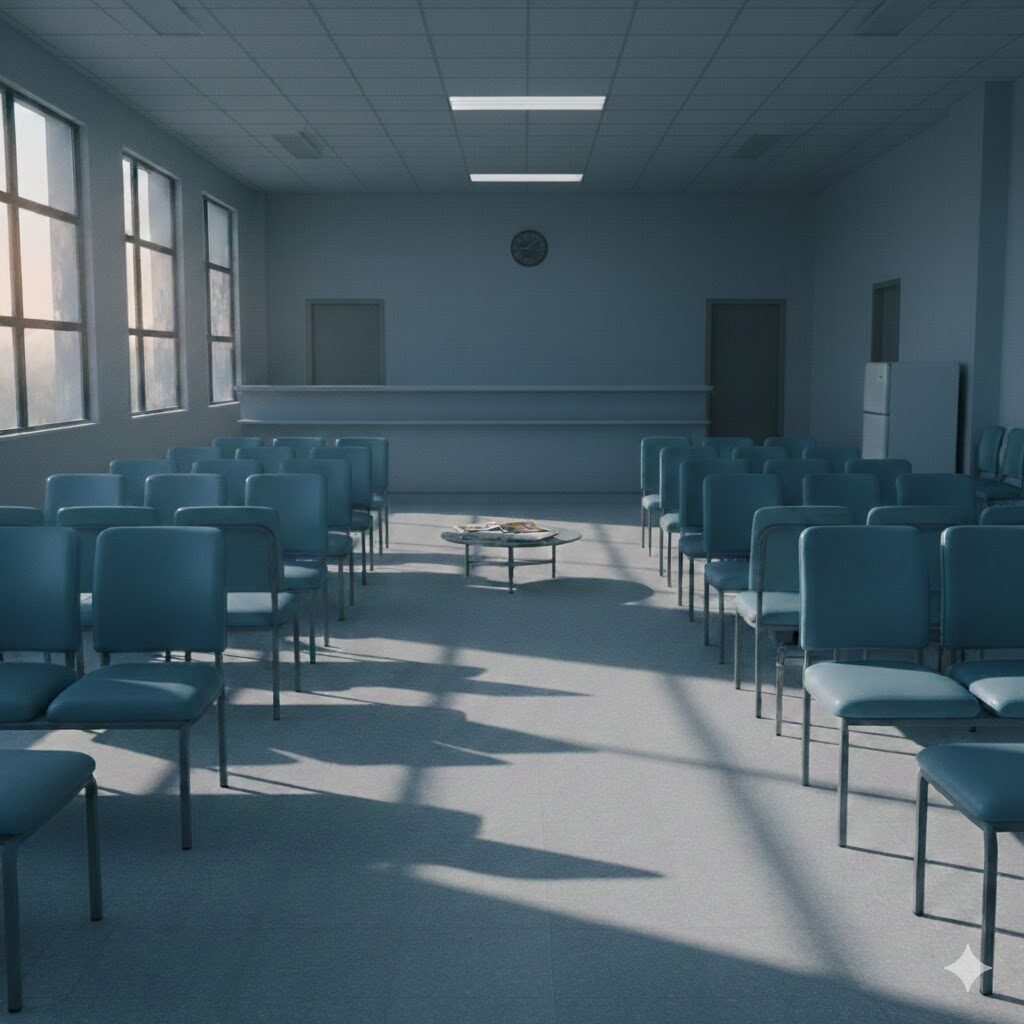
For decades, the waiting room has been an integral part of customer service. Rows of chairs, ticket number systems, a TV playing in the background, and customers trying to guess how much longer they’ll have to wait. However, in recent years, customer habits, technology, and service organization have changed rapidly. This raises an important question — will waiting rooms even be necessary in the future?
Why Did Waiting Rooms Exist in the First Place?
Historically, waiting rooms were a logical solution to unpredictable customer flow. Customers arrived early, were late, or service delivery was delayed for various reasons. The waiting room acted as a buffer between the planned schedule and reality.
However, this model was based on the assumption that customers were willing to wait. Today, that is no longer a given.
Customers Are No Longer Willing to “Just Wait”
Modern customers live in a digital, real-time world. They can:
-
track delivery couriers on a map,
-
receive precise public transport times,
-
book services with instant confirmation.
As a result, tolerance for uncertainty and waiting is decreasing. Customers expect:
-
accurate information about waiting time,
-
the ability to arrive exactly on time,
-
a transparent process from booking or registration to service delivery.
If these expectations are not met, no-shows, complaints, and customer churn increase.
Technologies Changing the Rules of the Game
Digital solutions already allow organizations to reduce the need for physical waiting across industries — healthcare, public sector, financial services, telecommunications, and more.
Remote Check-in
Customers can check in before arrival.
Real-Time Queue Status
Customers can see exactly when it will be their turn.
Dynamic Flow Management
Systems can adjust customer flow in real time.
Automated Customer Calling
Reduces chaos at reception desks and waiting areas.
As a result, physical waiting space becomes less critical.
Will Waiting Rooms Disappear Completely?
Most likely — no. But they will change significantly.
In the future, waiting rooms may become:
-
smaller,
-
quieter,
-
designed for short stays rather than long waiting periods.
In some cases, waiting will shift elsewhere — for example:
-
in your car,
-
in a nearby café,
-
at work or at home until you receive a notification to arrive.
The New Focus: Flow Management, Not Waiting Rooms
Organizations are increasingly focusing on:
-
more precise booking and visit scheduling,
-
customer flow forecasting,
-
using data for operational decisions,
-
self-service solutions for customers.
This represents a shift from “where customers sit and wait” to “how customers move through the service process.”
What Does This Mean for Organizations?
Organizations will need to ask new questions:
-
Can customers arrive exactly on time instead of early?
-
Do employees see customer flow in real time?
-
Do customers know how long they will have to wait?
-
Do booking and queue systems work together?
Organizations that can provide predictable and transparent experiences will gain a competitive advantage.
Waiting Rooms as an Experience Element, Not a Necessity
In the future, waiting rooms may become not mandatory infrastructure, but an optional experience element — a place for comfort rather than necessary waiting.
This could change space planning, investments, and even customer service center architecture.
Conclusion
Waiting rooms will not disappear overnight, but their role will gradually decrease. The future belongs to systems that:
-
reduce uncertainty,
-
reduce waiting time,
-
give customers control,
-
make service delivery predictable.
The question is no longer — how big does the waiting room need to be?
The question is — how much waiting is acceptable at all?
Modern customer flow management is built on data, automation, and transparent communication — and this is exactly the direction solutions like Qticket are evolving, helping organizations reduce waiting time, improve customer experience, and use resources more efficiently.